For the past 10 years, I’ve had the privilege of teaching Pilates teachers and movement professionals all over the world — from Singapore and Jakarta to the USA, Canada, and across Europe and the UK.
In that time, I’ve worked with tens of thousands of students, helping them move beyond outdated cues and conflicting information so they can support their clients with clarity and confidence.
A huge part of my work has been helping instructors understand the real needs of female clients — from postpartum recovery, to pelvic floor health, to bone density changes and the everyday challenges women experience in class.
My goal is always the same:
To make complex science simple, practical, and immediately usable in your teaching.
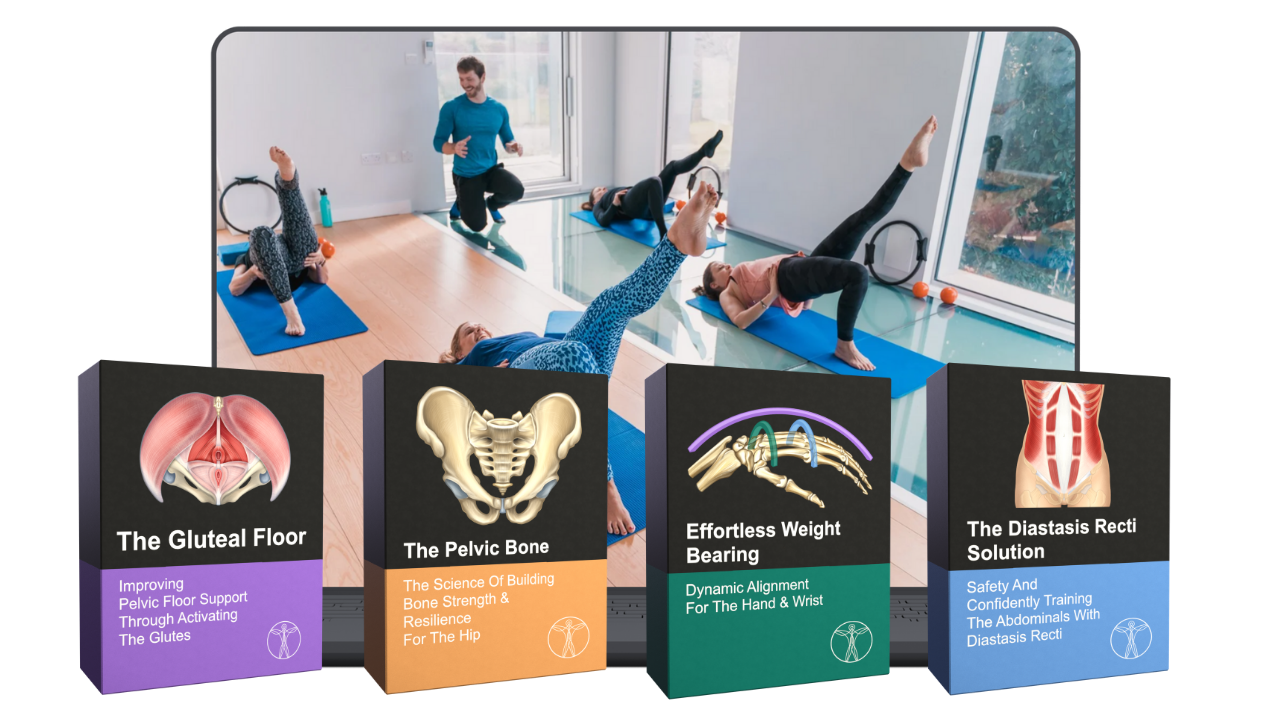
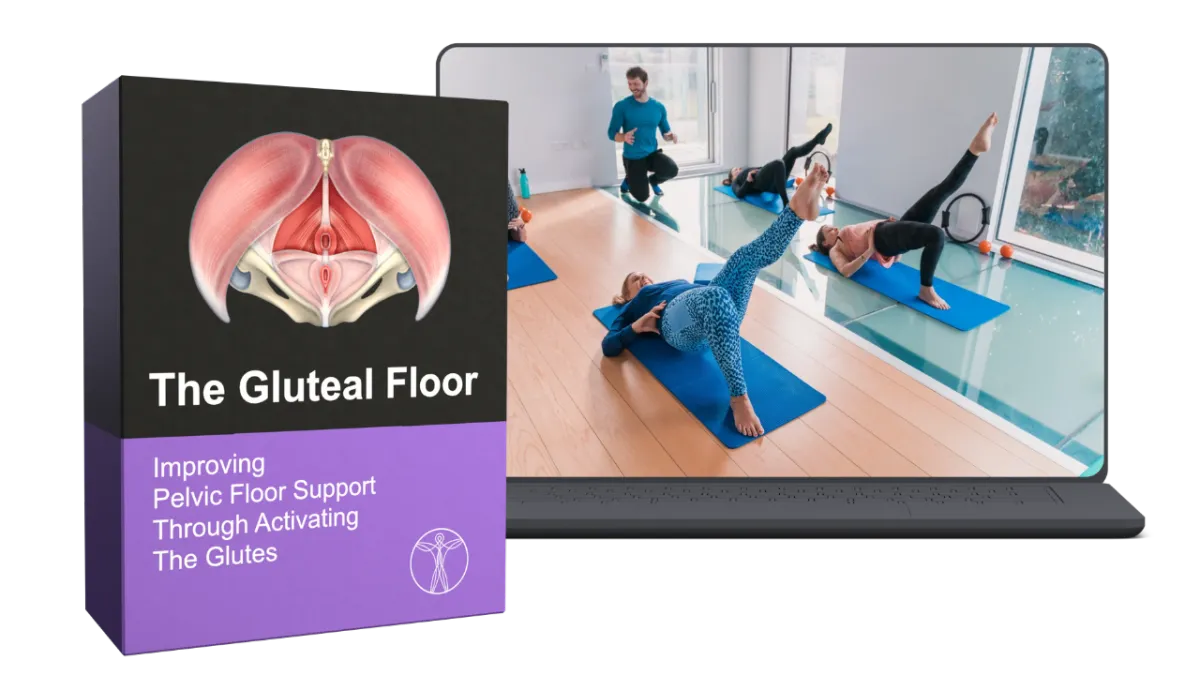
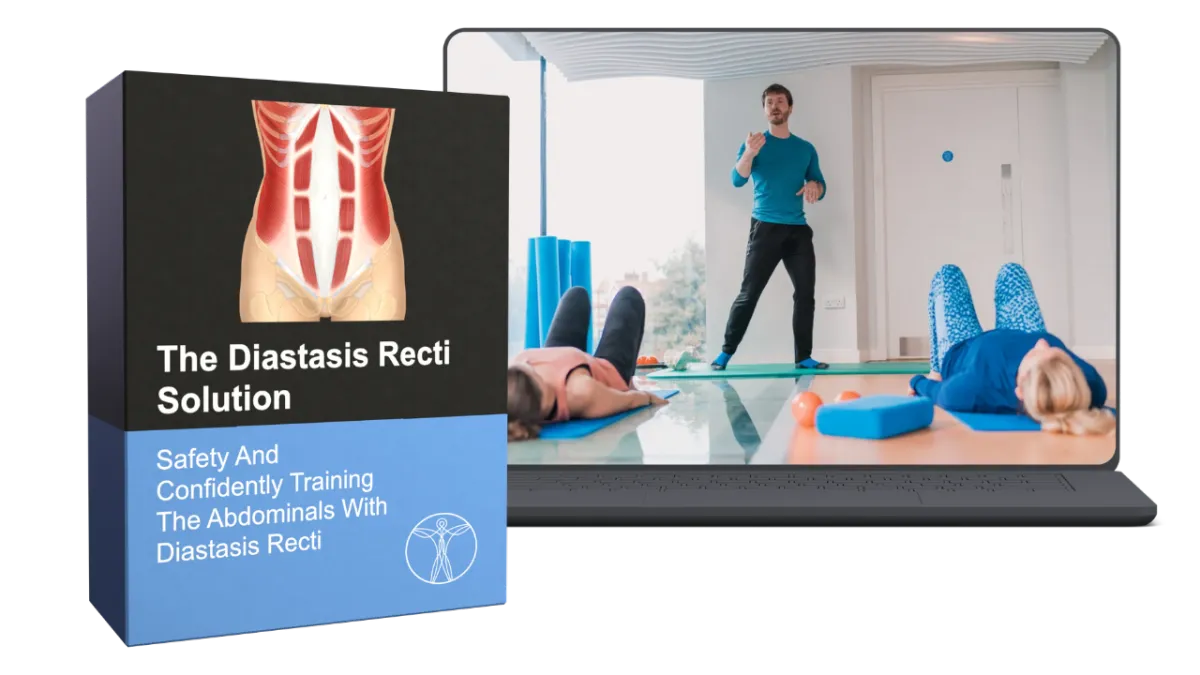
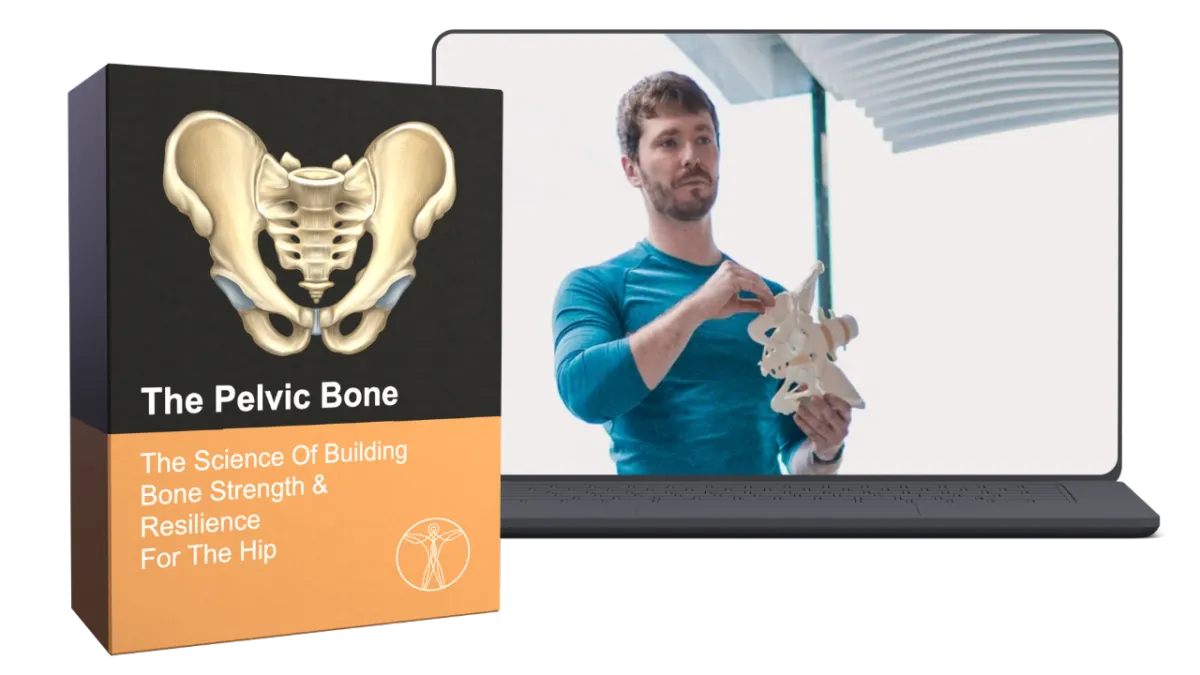
That’s exactly what you’ll find inside The Female Client Package.